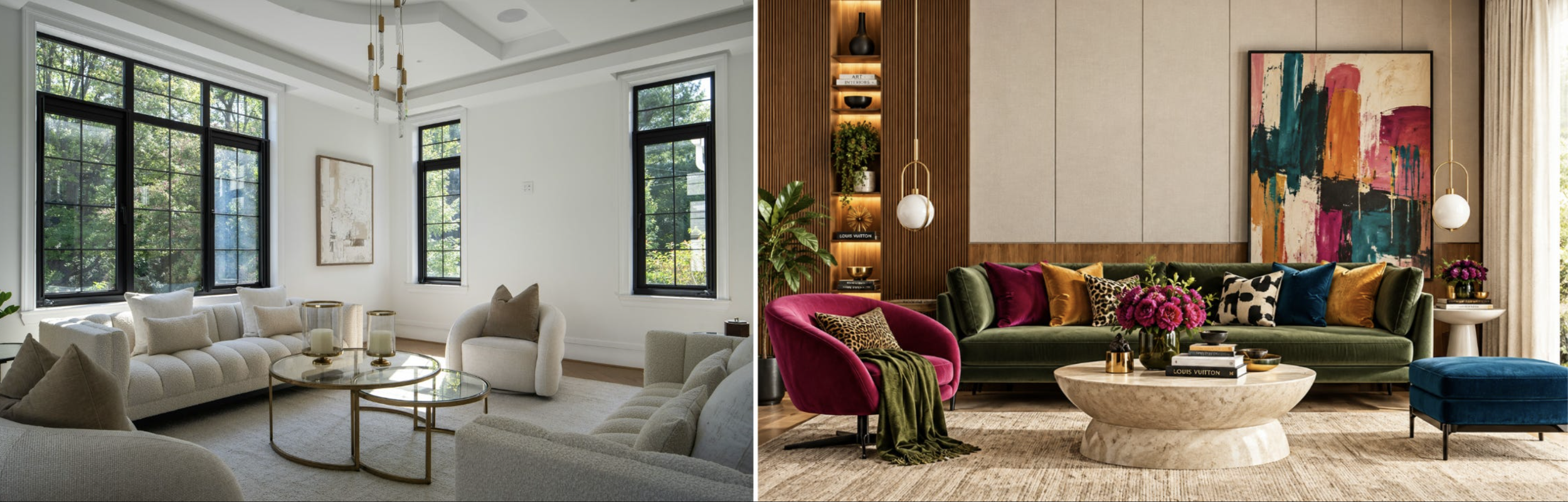
Who Decides What's Beautiful?
Gray is supposedly out. Color is in. Dark wood is back. But who decides what's beautiful—and when did design preferences start coming with expiration dates?
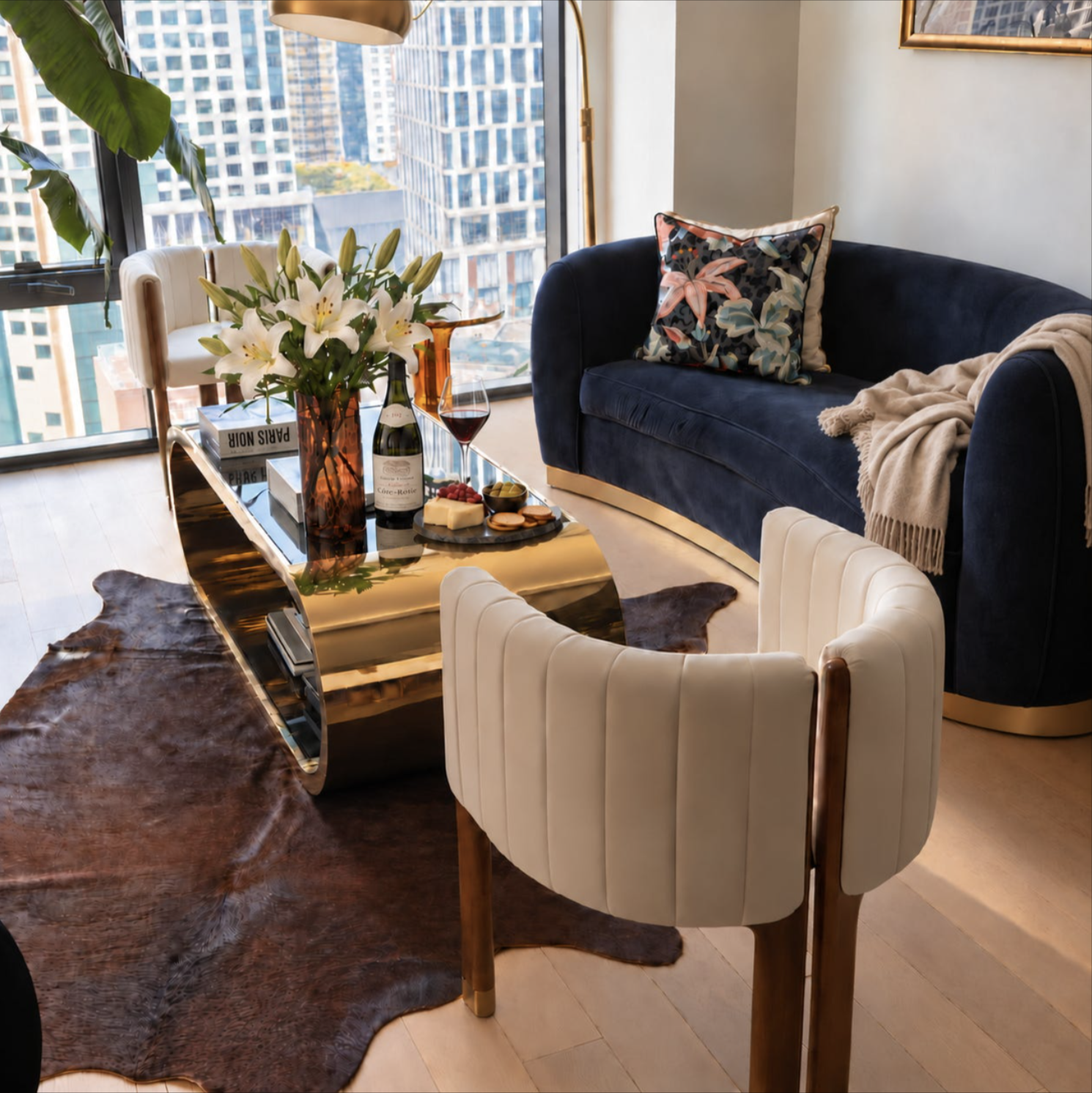
The Unspoken Dress Code
A room can be refined and still invite you in. I love beautiful things. I love a room with presence. I love a little glamour. Give me the fabulous light fixture, the gorgeous fabric, the piece of art that makes you stop in your tracks.
I just don’t want to feel like I need permission to sit down.
Refinement and ease aren’t opposites. I think the best rooms have both.
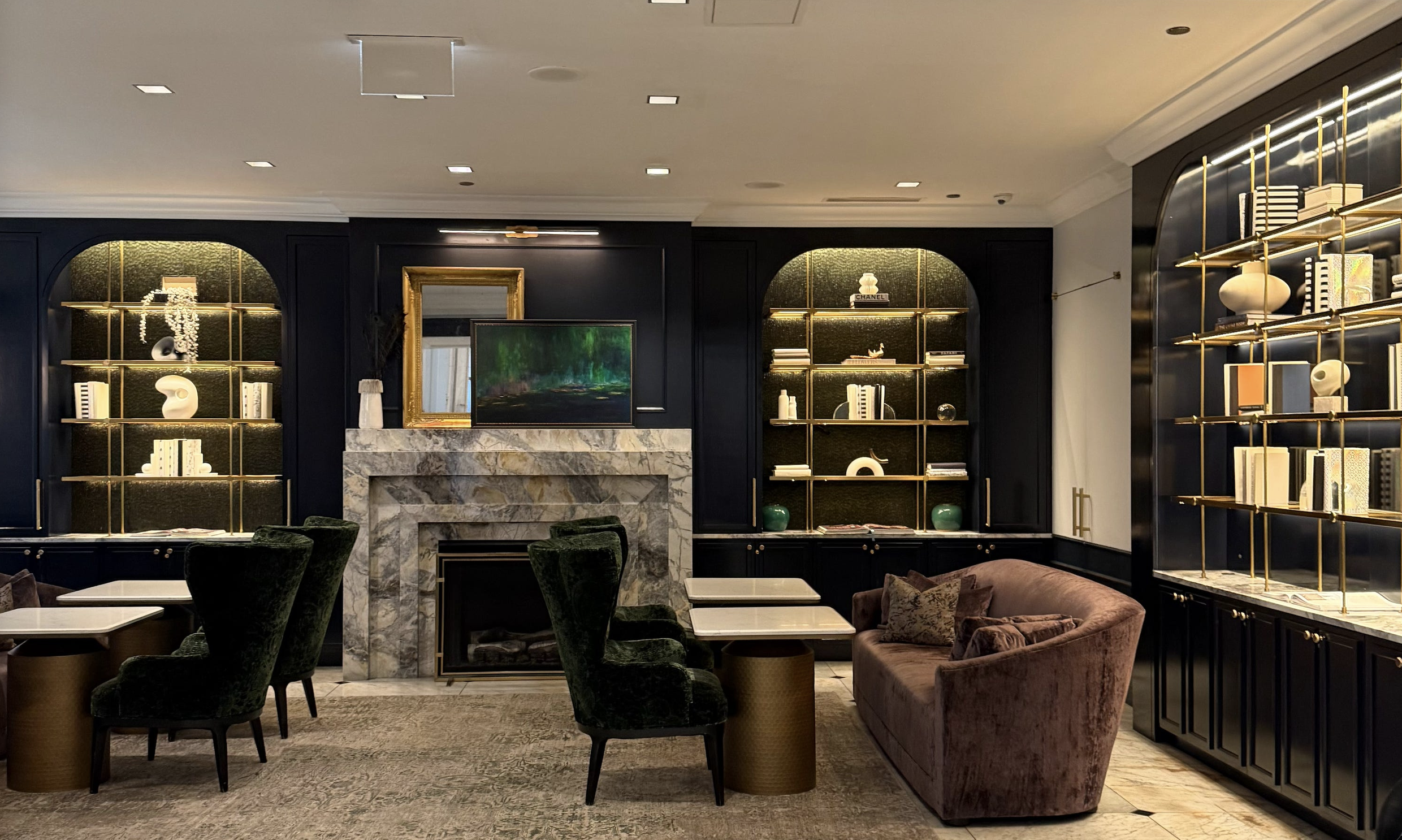
Rent Free
The hotels I actually remember are almost never the ones that gave me exactly what I expected.
Travel changes our eye. We experience someone else’s idea of beautiful, comfortable or even luxurious. Every once in a while, we see something that changes our reference point.
What stays with me is usually one decision. A tile. A gorgeous chair in a corner. A chandelier. A color palette I wouldn’t have chosen and can’t stop thinking about.
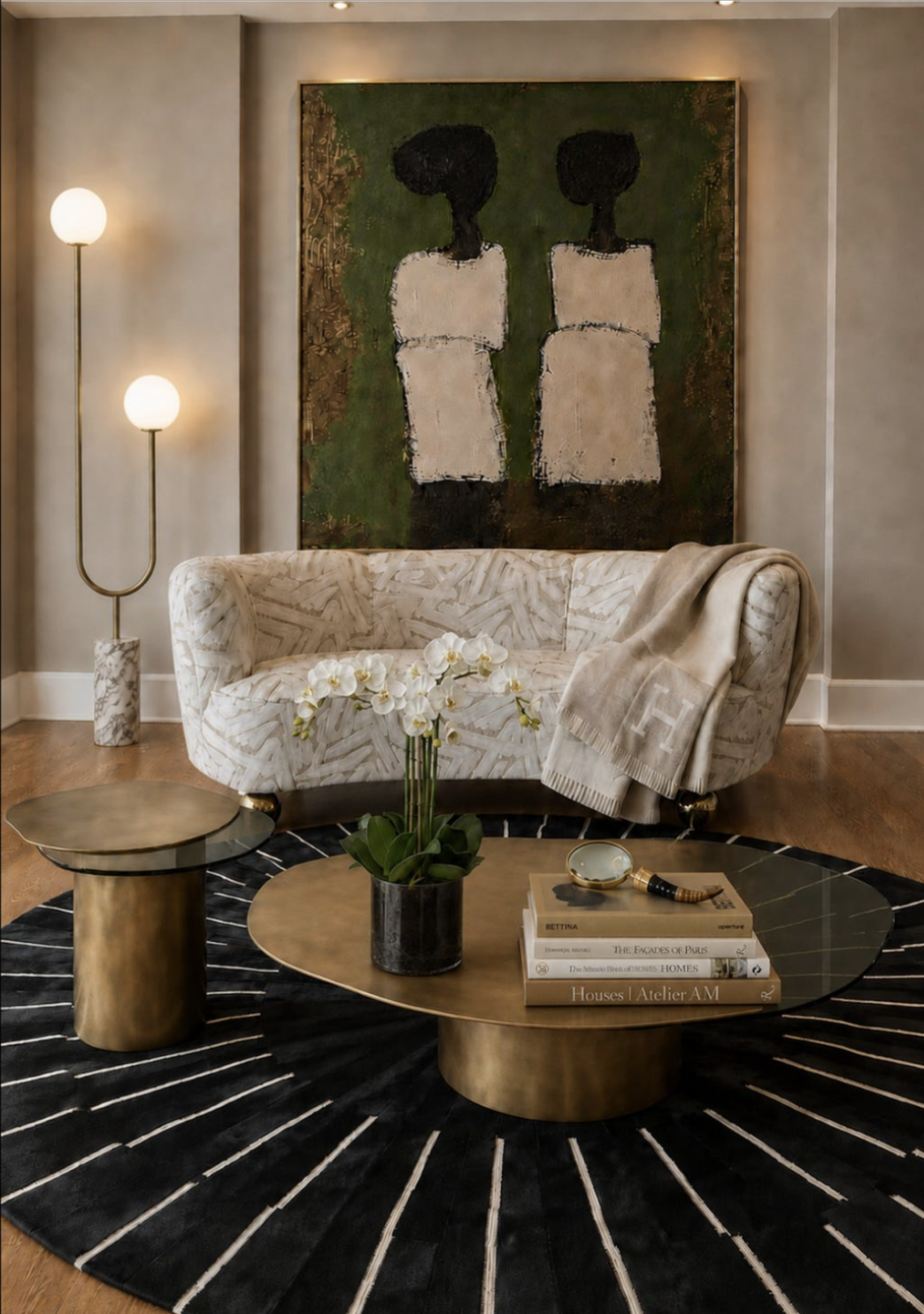
Every Room Needs a Troublemaker
A beautiful room can have all the right pieces and still be completely forgettable. Sometimes the thing that brings it to life is the one choice that doesn’t quite behave. The unexpected piece. The contradiction. The troublemaker.
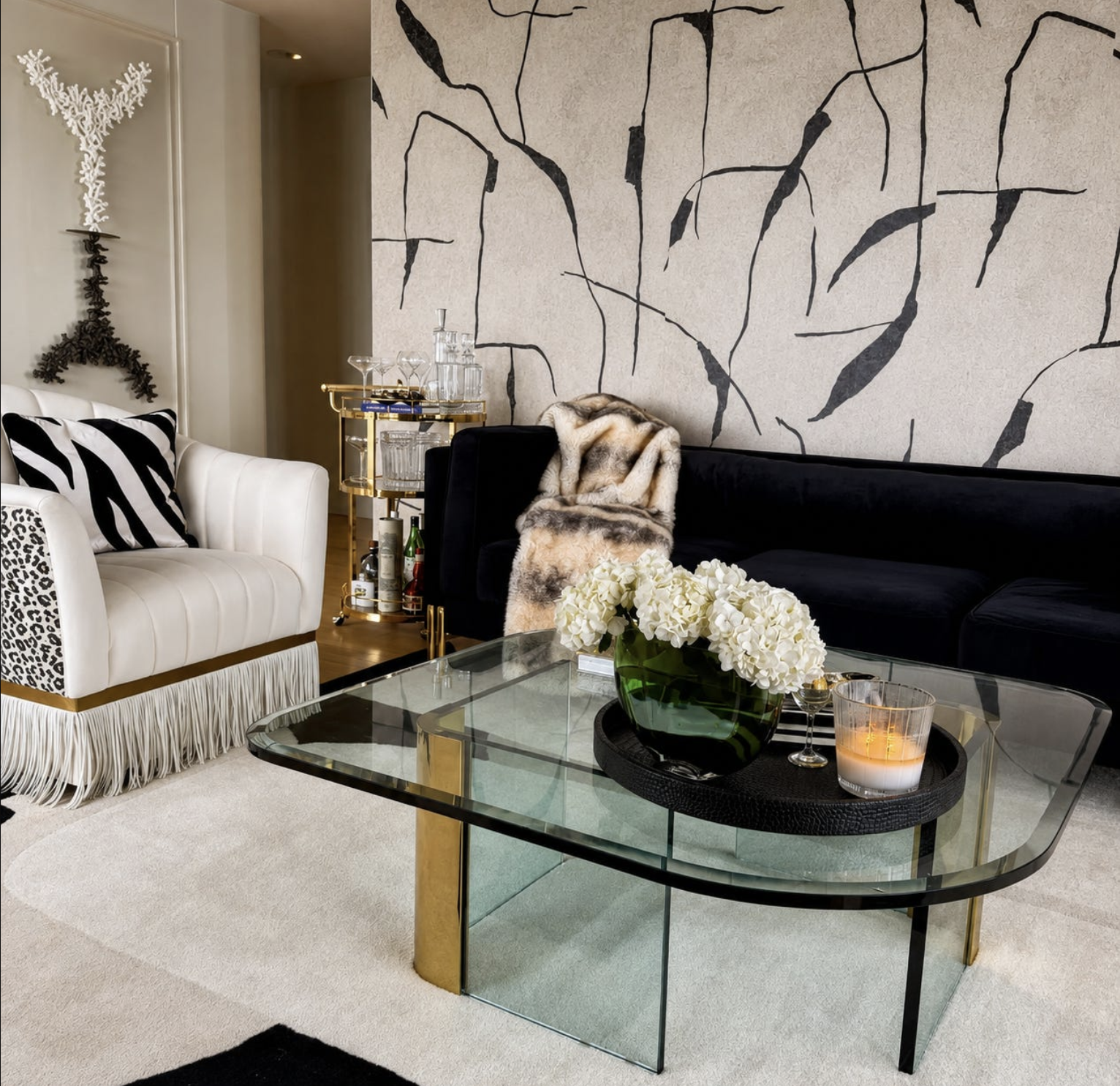
Reserved for Company
These aren’t really questions about decorating. They’re questions about permission.
The longer I’ve worked as a designer, the more I’ve realized that the most meaningful design decisions have very little to do with furniture. They have everything to do with how we believe we’re allowed to live.
Our lives are made almost entirely of ordinary days. A well-considered home does not wait for permission to be enjoyed.
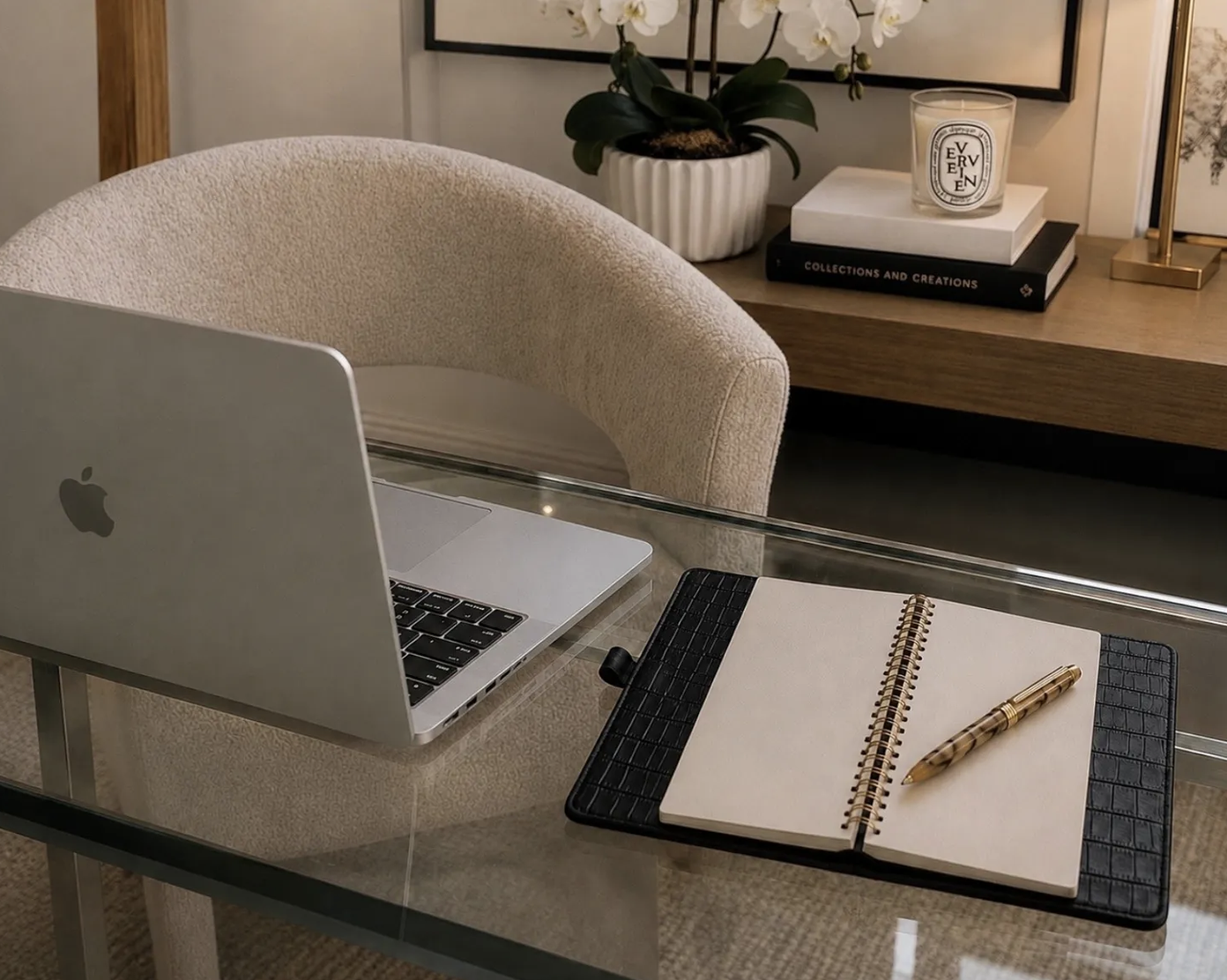
Design Is Translation
Some of the best design directions I've ever received sounded nothing like design directions.
"I don't know my style."
"I'll know it when I see it."
Most people hear uncertainty. I hear direction.

What My Grandmother’s Table Knew About Design
I have been paying attention to rooms my entire life. Not because of the furniture or the paint colors, but because of how spaces make people feel. From my grandmother's table in Chicago to evenings in Barcelona and quiet moments in Malibu and Paris, some places stay with us long after we've left them. This is a reflection on the rooms we carry—and what they quietly teach us about home.
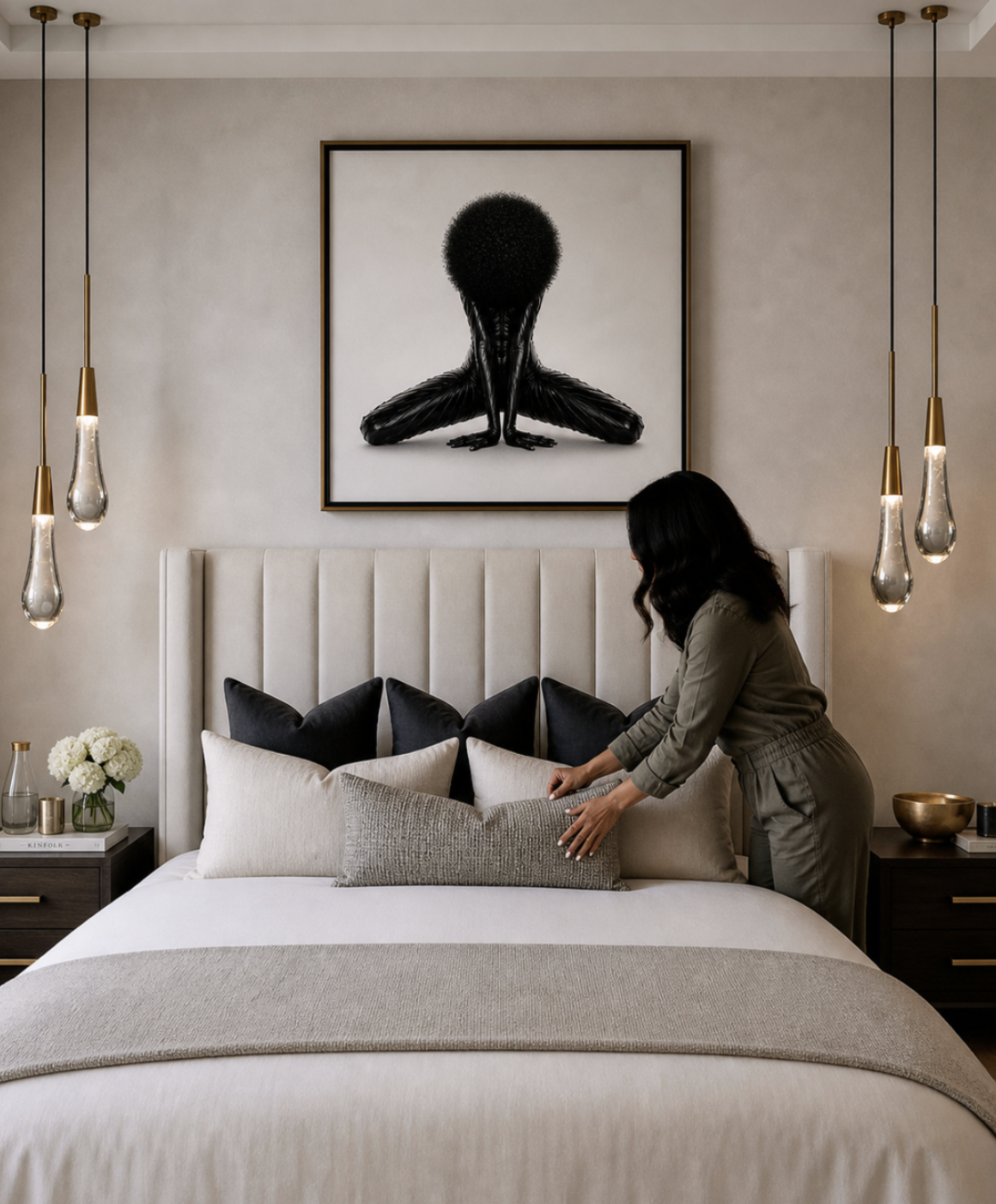
What My Client Really Meant by “You Bring the Magic”
Every beautiful room has furniture. But not every beautiful room has life.
Years ago, a former client said something about my work that has stayed with me ever since. At the time, I took it as a compliment. Looking back, I realize she was describing something much deeper—the quiet decisions that transform a finished room into one that truly feels alive.

Why Some Rooms Feel Right
Why do some rooms feel effortless while others never quite come together? In this edition of Style Notes, I explore the difference between good pieces and good judgment—and why the rooms that feel right are rarely the result of shopping alone.
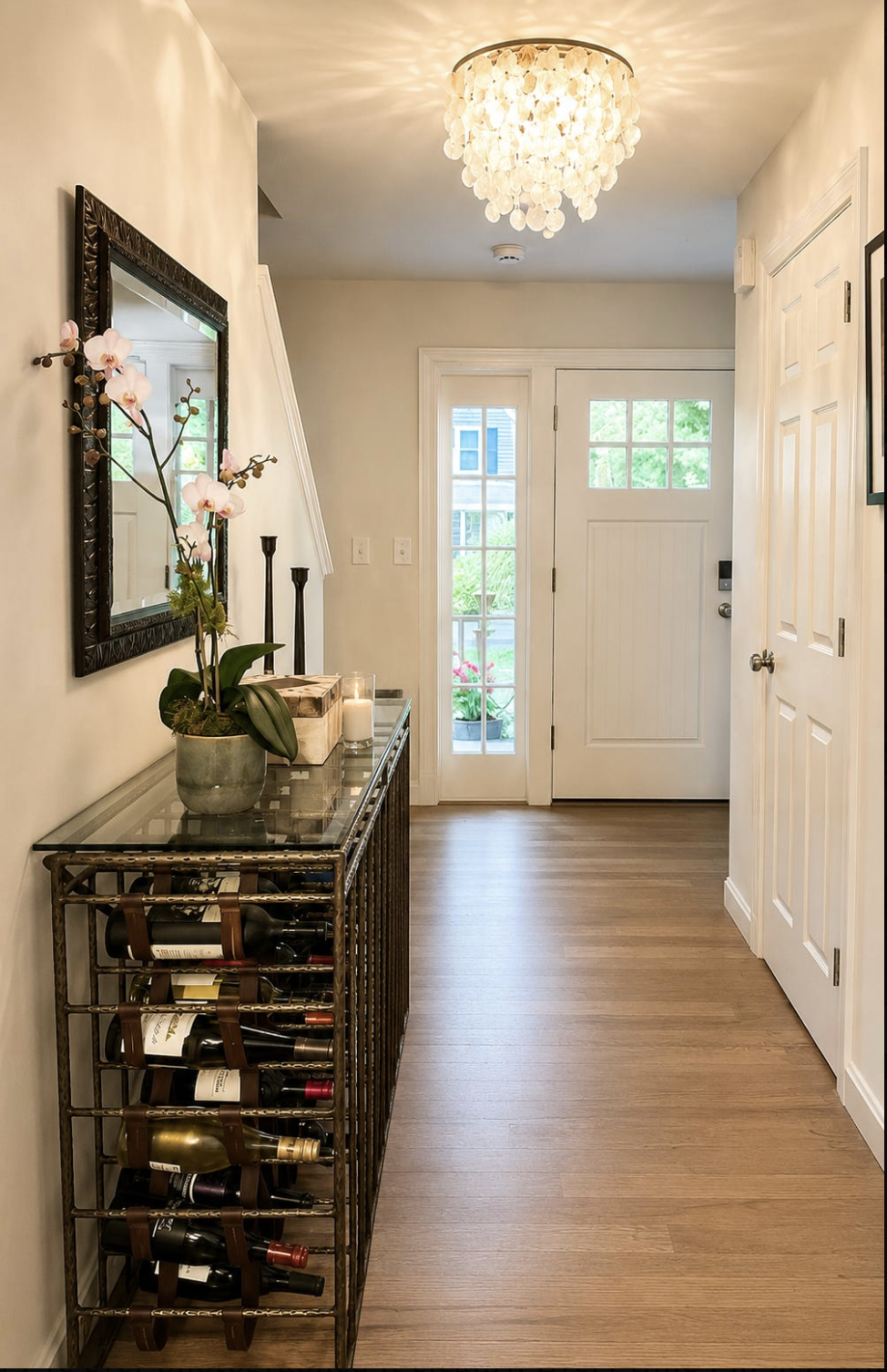
More Room to Breathe
Some clients become friends. Some friends become family. This is one of those stories.
What began as a renovation became a three-year journey to transform a beloved Martha’s Vineyard home into a space capable of holding generations. In this edition of Style Notes, I reflect on design, patience, family legacy, and the moment a house finally becomes everything it was meant to be.

The Maison Is Open
There’s a moment in every room when it shifts. After two decades — everything is in one place, and something new has arrived.
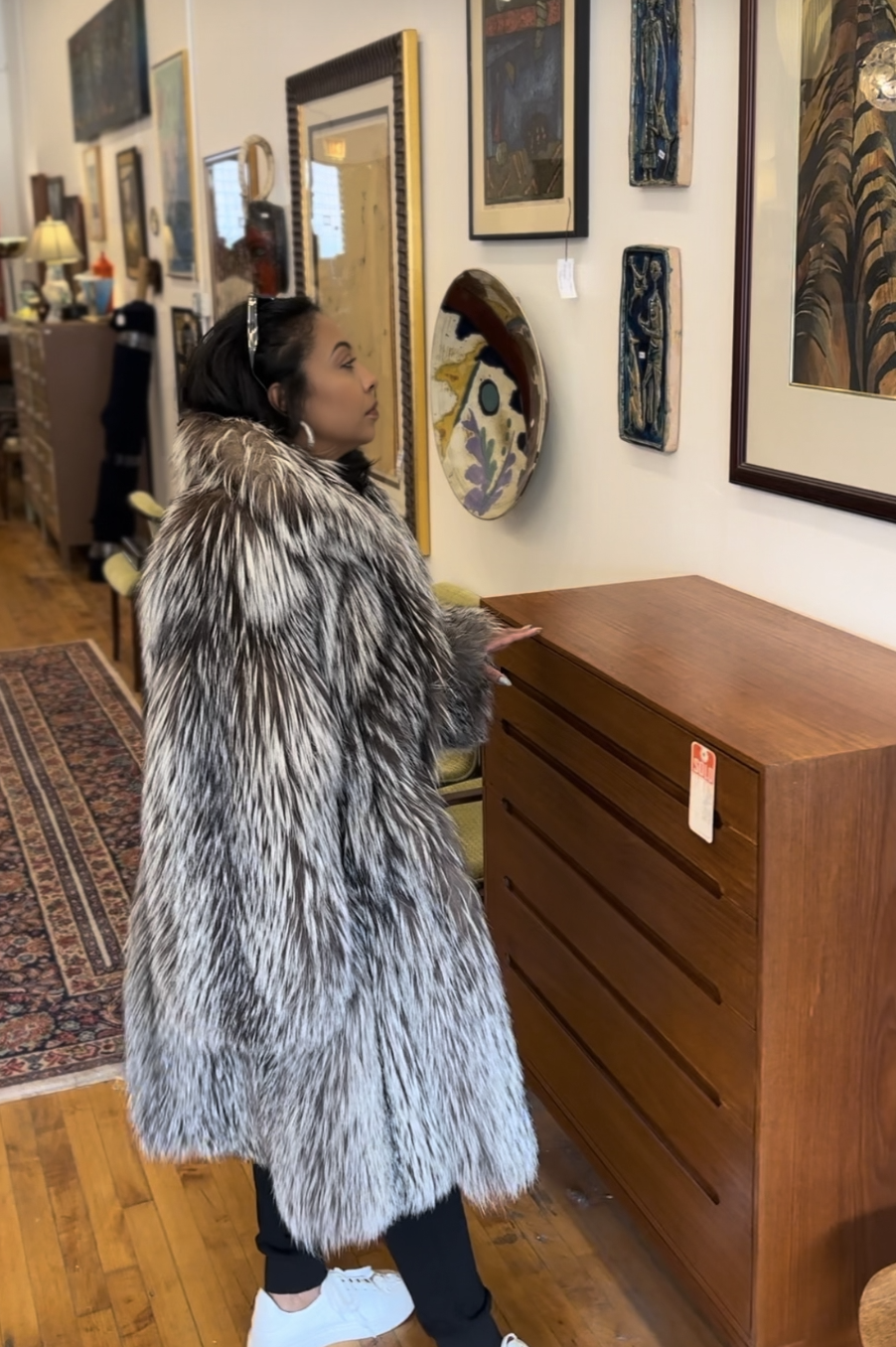
The Anatomy of a Find
Long before you recognize a designer label, your eye recognizes structure. The pieces that endure—whether in a home or a wardrobe—reveal their quality through construction, material, and the quiet discipline of craftsmanship.

Perception and Proportion
Mirrors don’t just sit in a room; they participate in it. They are architectural tools that shift light, alter proportion, and transform a space’s mood. They don’t create what’s present; they reveal it. Mirrors don’t just sit in a room; they participate in it. They are architectural tools that shift light, alter proportion, and transform a space’s mood. They don’t create what’s present; they reveal it.
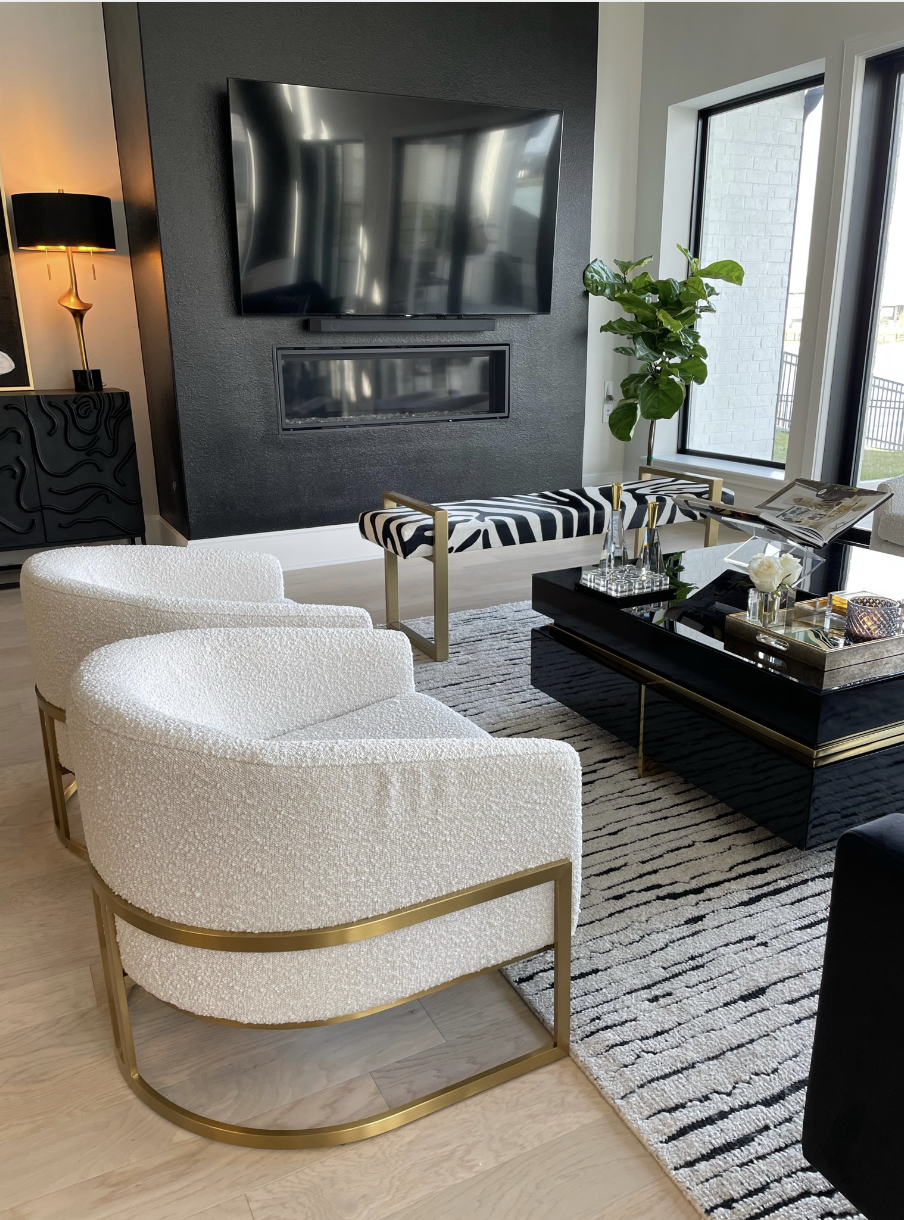
The Difference Is in the Details
I can usually tell within moments whether a home feels finished. Not styled. Not decorated. Not expensive. Finished.
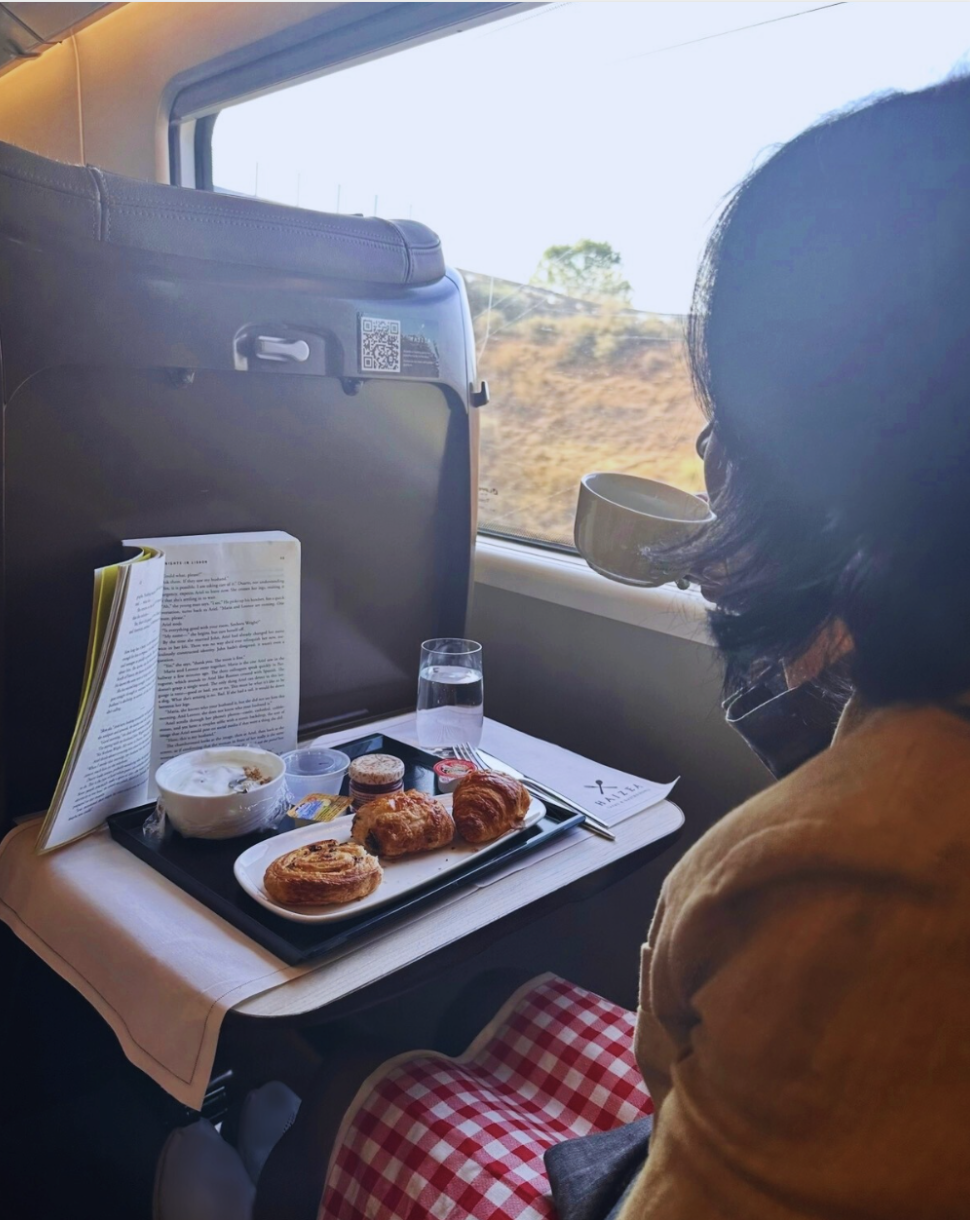
The Real Mark of Value
Once you start seeing the difference between expensive and valuable, your choices begin to change. You become less interested in what makes a quick impact and more drawn to what quietly earns your loyalty.
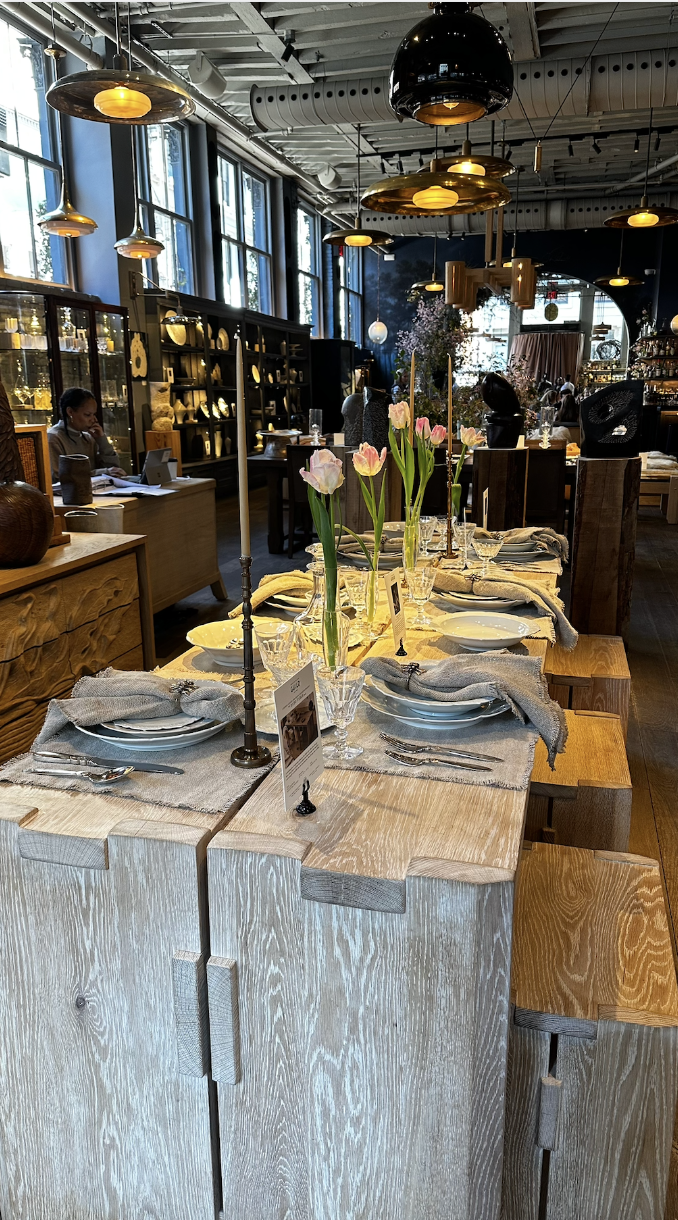
Outgrowing the Obvious
I’ve always paid attention to what I don’t reach for first. Not the hotel everyone insists you have to stay in. Not the destination that suddenly becomes a rite of passage. Not the accessory that defines a season simply because everyone agrees it does. They’re often beautiful—but beauty alone has never been the point. I’m more interested in what lingers quietly on the periphery, waiting to be noticed.
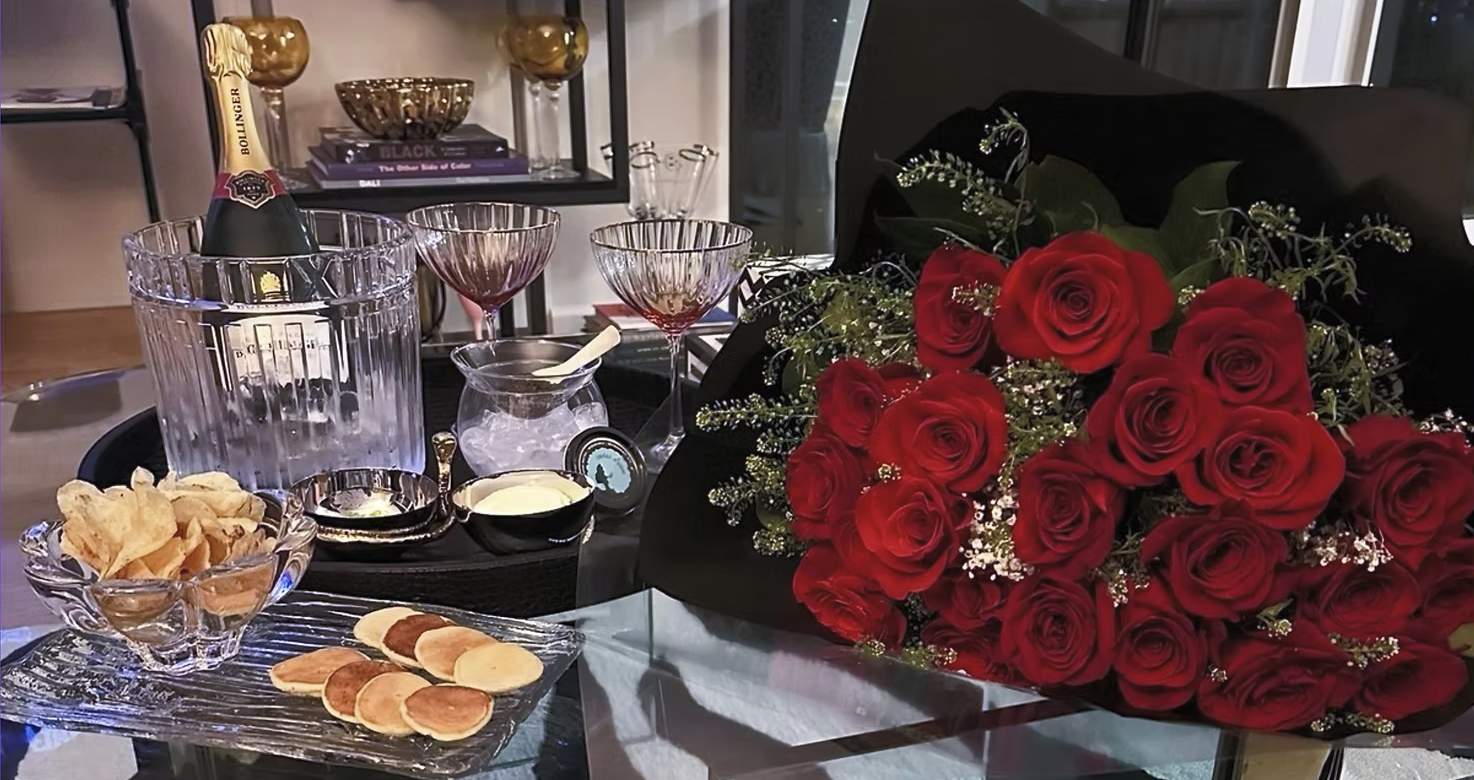
A Study in Stillness
Clarity often comes from subtraction, not addition.
December offers a quiet invitation to edit, refine, and realign with what truly fits now.
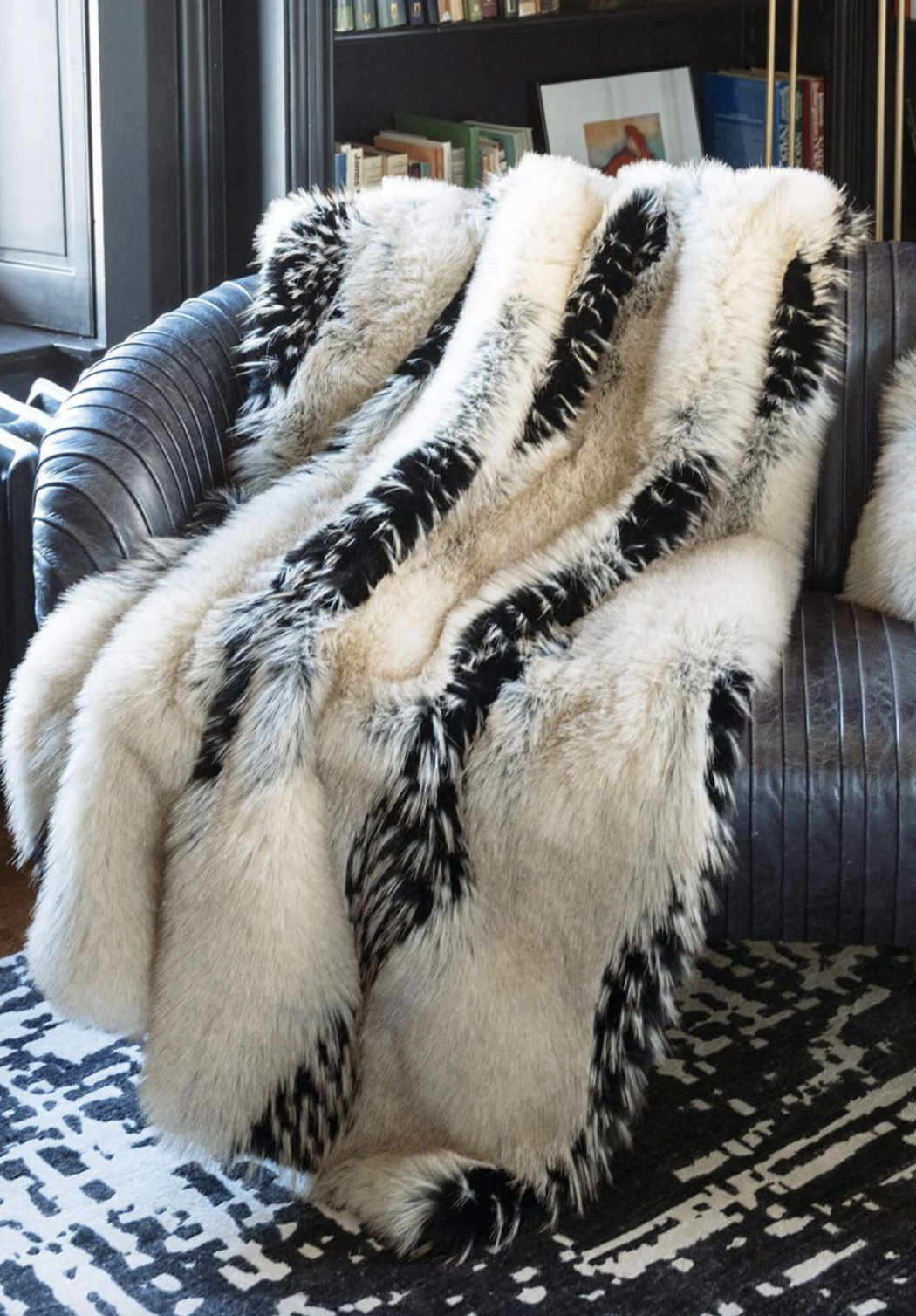
The Foundation: Cultivating a Lived-In Sanctuary
The foundation of a well-designed home isn’t decoration—it’s intention. Every layer, every object, every detail should feel considered—never arbitrary.
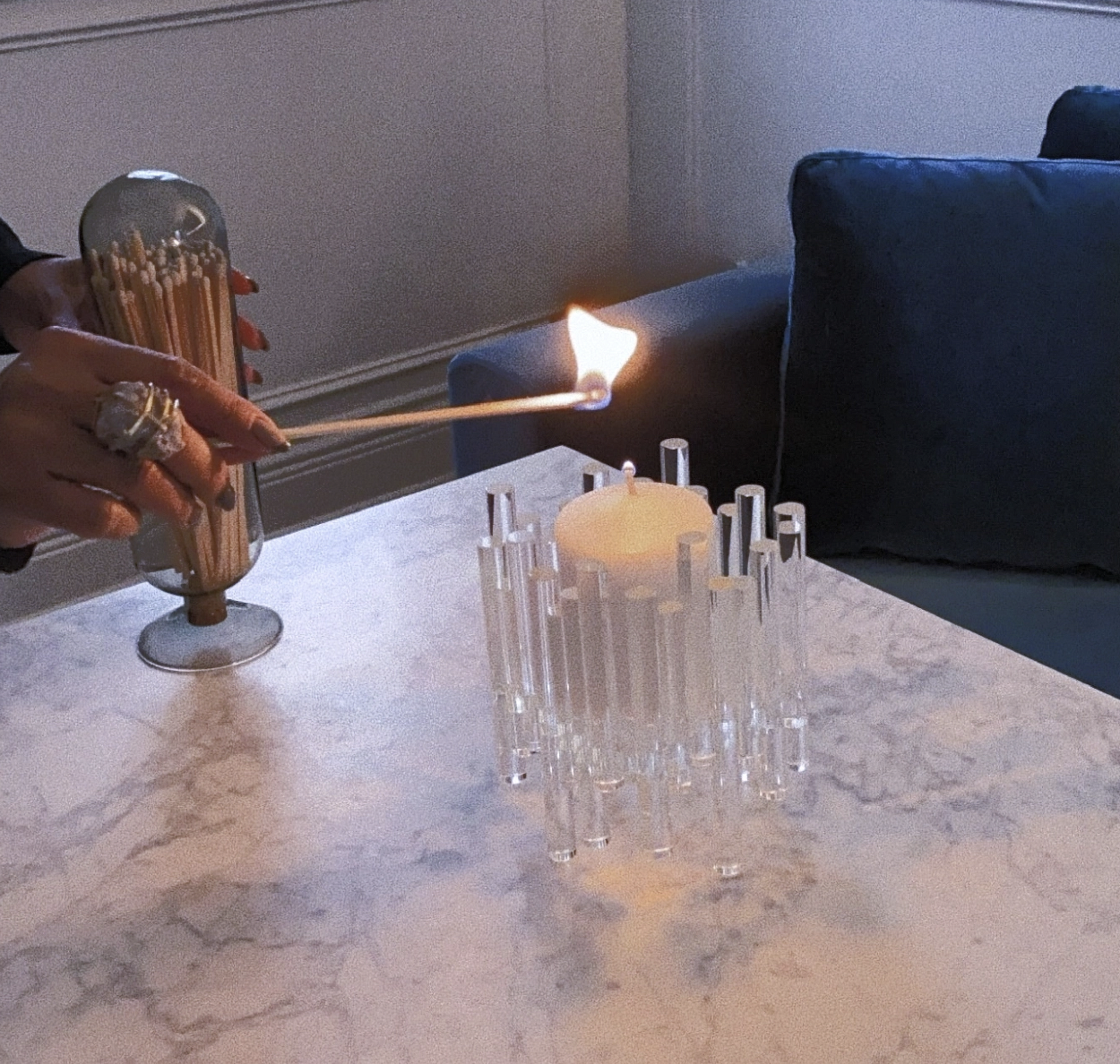
The Quiet In Between: Style, Stillness, and Recalibration